
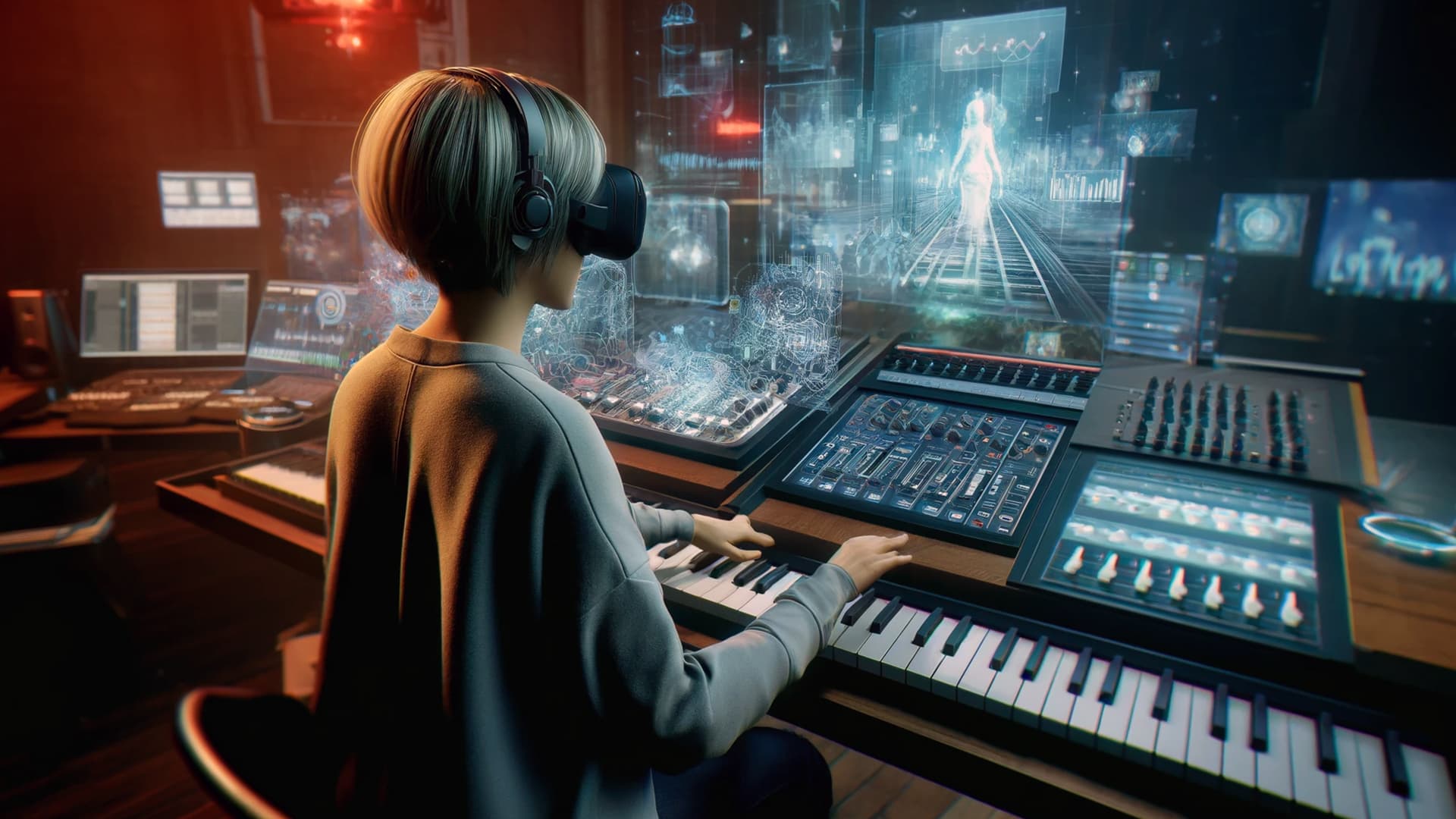
How can Musicians use Virtual Reality for Music Videos or Concerts?
Holding a concert in a virtual reality (VR) environment, particularly one that supports Six Degrees of Freedom (6DOF), involves a blend of...
Holding a concert in a virtual reality (VR) environment, particularly one that supports Six Degrees of Freedom (6DOF), involves a blend of advanced technology, software development, and creative design. Here's a technical breakdown of how musicians can use VR to perform in a 6DOF environment:
1. VR Hardware and Software Requirements
To host a 6DOF VR concert, both the performers and the audience need VR headsets that support 6DOF, such as Oculus Quest, HTC Vive, or Valve Index. These devices track the user's head and body movements, allowing them to move freely in the virtual space. The VR system must be equipped with robust processing capabilities to handle real-time data input and output, ensuring a seamless experience.
2. Creating the Virtual Environment
The virtual concert venue is designed using 3D modeling software like Unity or Unreal Engine, which are capable of creating immersive environments and detailed visuals. The virtual space can be designed to mimic real-world physics and aesthetics or can explore imaginative and surreal settings that enhance the musical performance.
3. Avatar Creation
Musicians appear in the VR environment as avatars. These avatars can be custom-designed to resemble the artists closely, or they can take on fantastical forms. Creating realistic avatars often involves motion capture technology, where the artists' movements are recorded and translated into the digital models to ensure that their performances are reflected accurately and dynamically in the virtual space.
4. Motion Capture and Real-Time Animation
For a 6DOF VR concert, capturing the full range of the artist's movements is crucial. This is typically achieved through a motion capture system that records every gesture, expression, and action of the musician. These movements are then mapped onto the avatar in real-time using animation software. The system must handle these inputs without lag to maintain immersion and sync with the live or pre-recorded music.
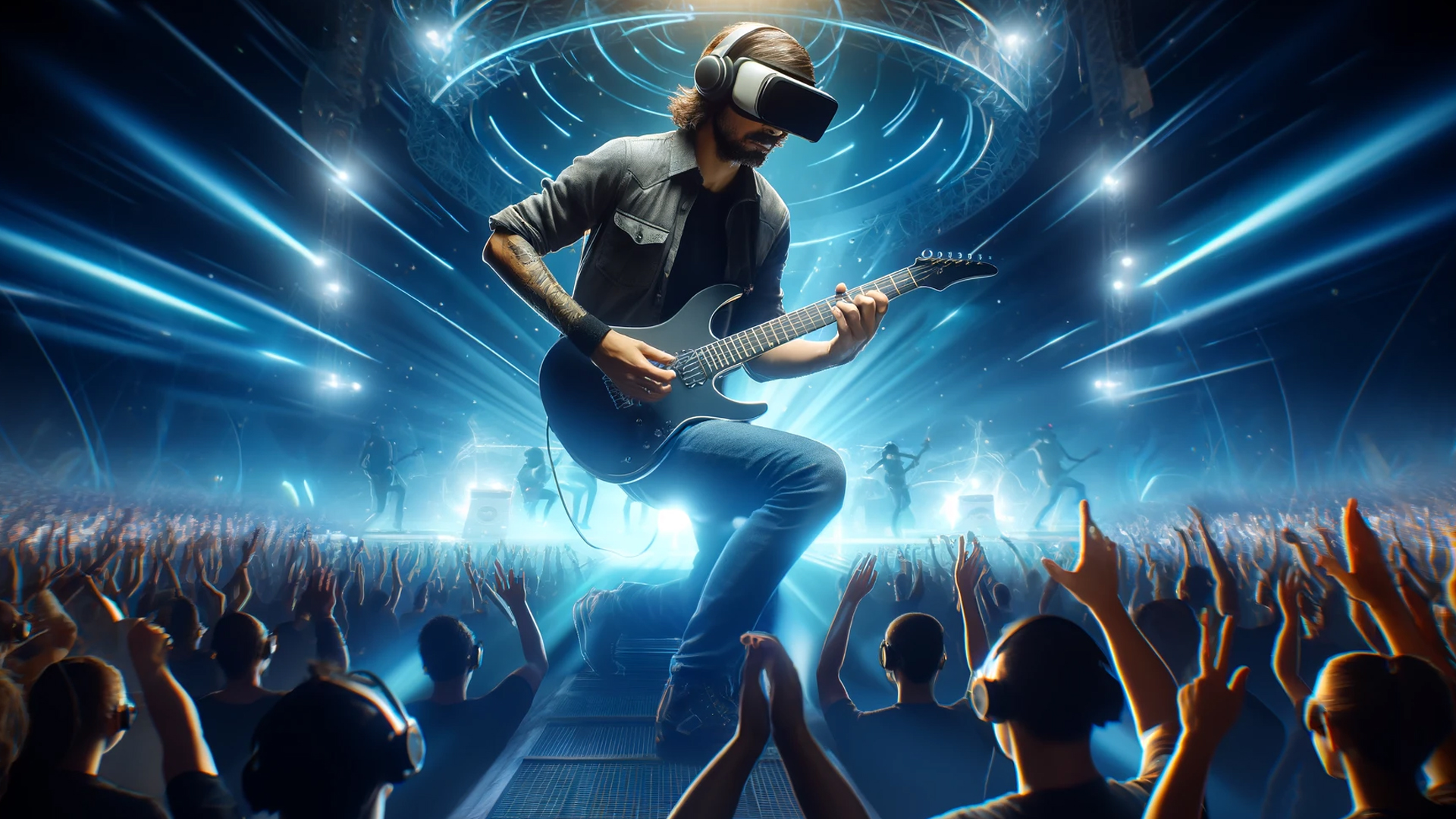
5. Audio Integration
Spatial audio is integral to VR concerts, as it enhances the realism of the experience. The audio in the virtual environment must change dynamically with the user's movements and position within the space. This can be achieved using advanced spatial audio technology that mimics how sound behaves in real environments, adjusting based on distance, direction, and the acoustics of the virtual venue.
6. Streaming and Connectivity
Streaming a live VR concert requires robust server capabilities to handle simultaneous data streams from and to potentially thousands of users. Latency is a critical factor; the system must minimize delay to ensure that the audio and visual feeds are synchronized and that interactions within the VR space feel instantaneous.
7. Interactivity Features
To make the concert interactive, developers can integrate features such as audience reactions, virtual merchandise stands, and interactive elements within the environment that fans can manipulate. These features are scripted and programmed into the environment, offering fans a more engaging experience than traditional concerts.
8. Testing and Optimization
Before going live, the entire setup'from the avatars and the environment to the audio and interactive features'must be rigorously tested and optimized for different VR hardware to ensure compatibility and performance. This phase is crucial to troubleshoot any issues that could disrupt the concert experience.
9. Launch and Execution
Once everything is set up and tested, the concert can be launched. Musicians perform live in a motion capture studio, or their performances are streamed into the VR environment from a remote location. Fans from around the globe can join the concert through their VR headsets, enjoying a live music performance that transcends physical and geographical limitations.
By combining these technologies and techniques, musicians can create compelling, immersive concerts that leverage the full potential of VR, offering audiences around the world a new way to experience live performances.
Transform Your Performances with Virtual Reality
Are you ready to elevate your music to new dimensions? At Virtual Reality Events, we specialize in crafting unparalleled virtual reality experiences that captivate and engage audiences worldwide. Our expertise in 6DOF environments and state-of-the-art VR technology enables us to bring your concerts into the homes of fans, transcending traditional boundaries and creating magical musical moments.
What We Offer:
Dive into the Future of Live Music Don't miss out on the opportunity to be at the forefront of the music industry's digital revolution. Virtual Reality Events is your partner in transforming how fans experience music. Contact us today to explore how we can create a spectacular VR concert that resonates with your style and vision.
You can contact us for more information.
Author: Gerald Ferreira
Virtual Reality Events is South Africa's leading immersive event provider, bringing interactive virtual reality experiences, high-end hardware rentals, and custom software builds to corporate activations nationwide. Learn more at virtualrealityevents.co.za.