
Revolutionizing Virtual Experiences: Emperors Palace Hosts a VR Milestone
Merging Cutting-Edge Technology with Live Interaction for Unprecedented Immersion On November 6th, Emperors Palace transformed into a hub of...
Merging Cutting-Edge Technology with Live Interaction for Unprecedented Immersion
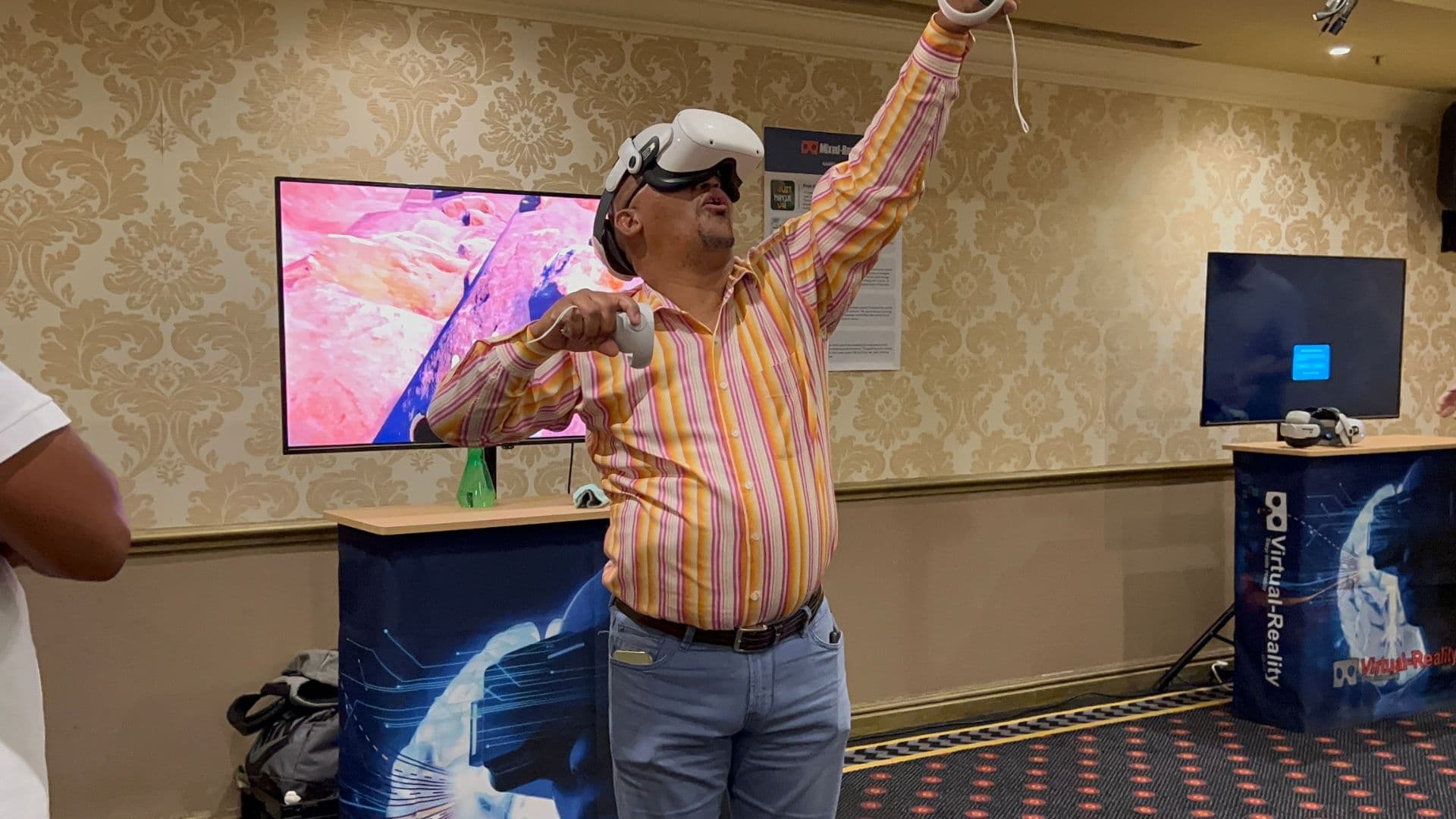
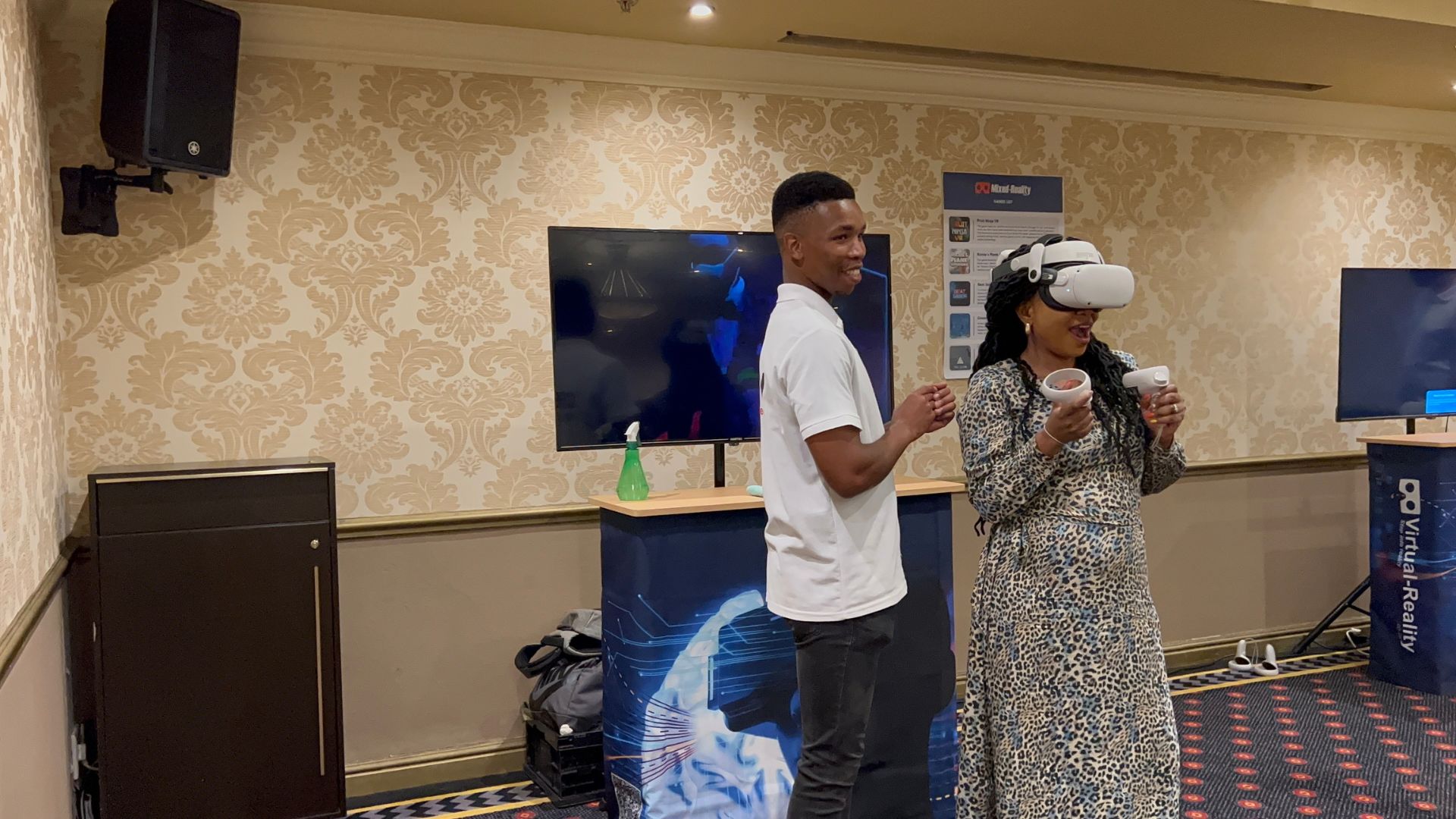
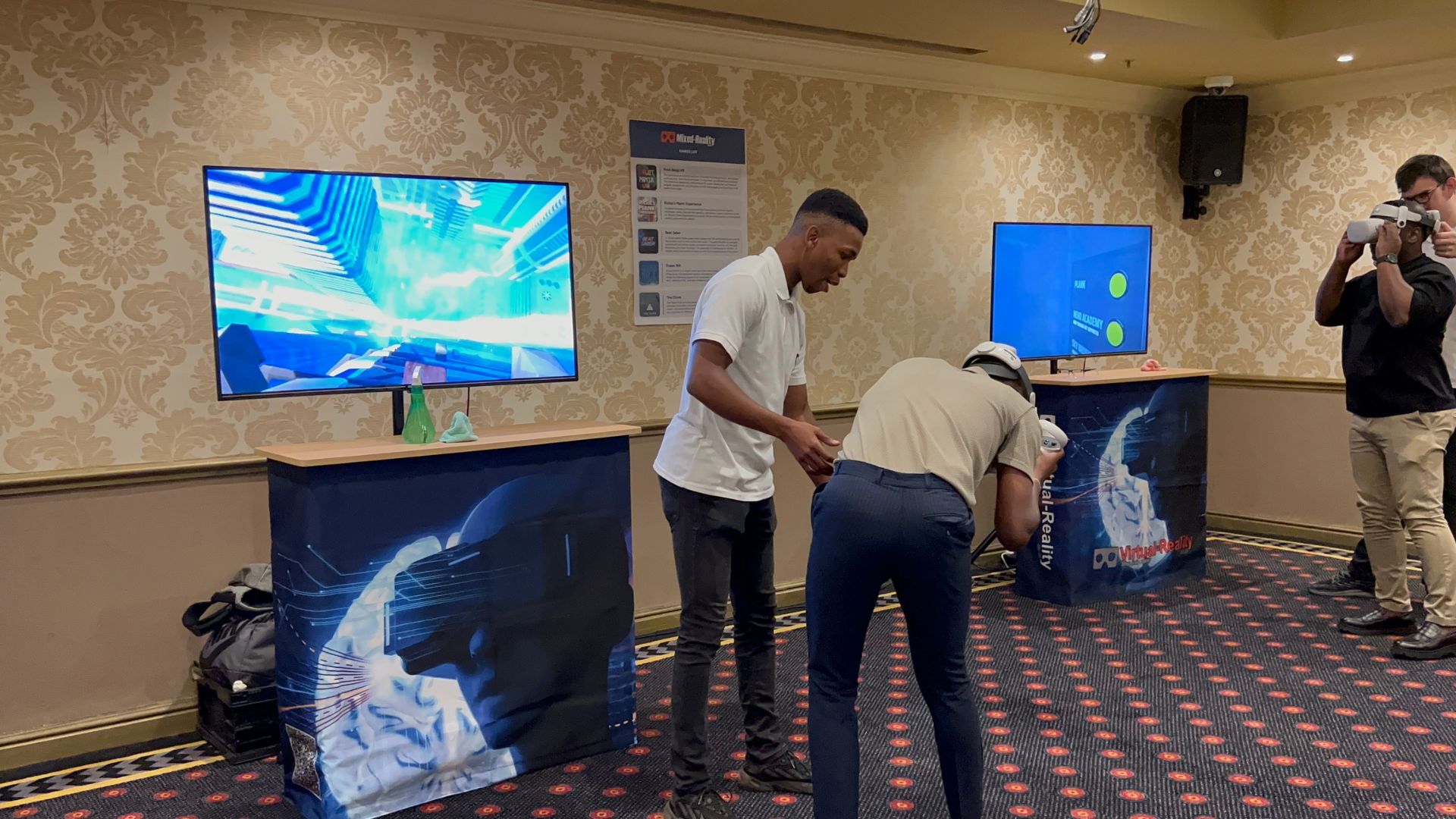
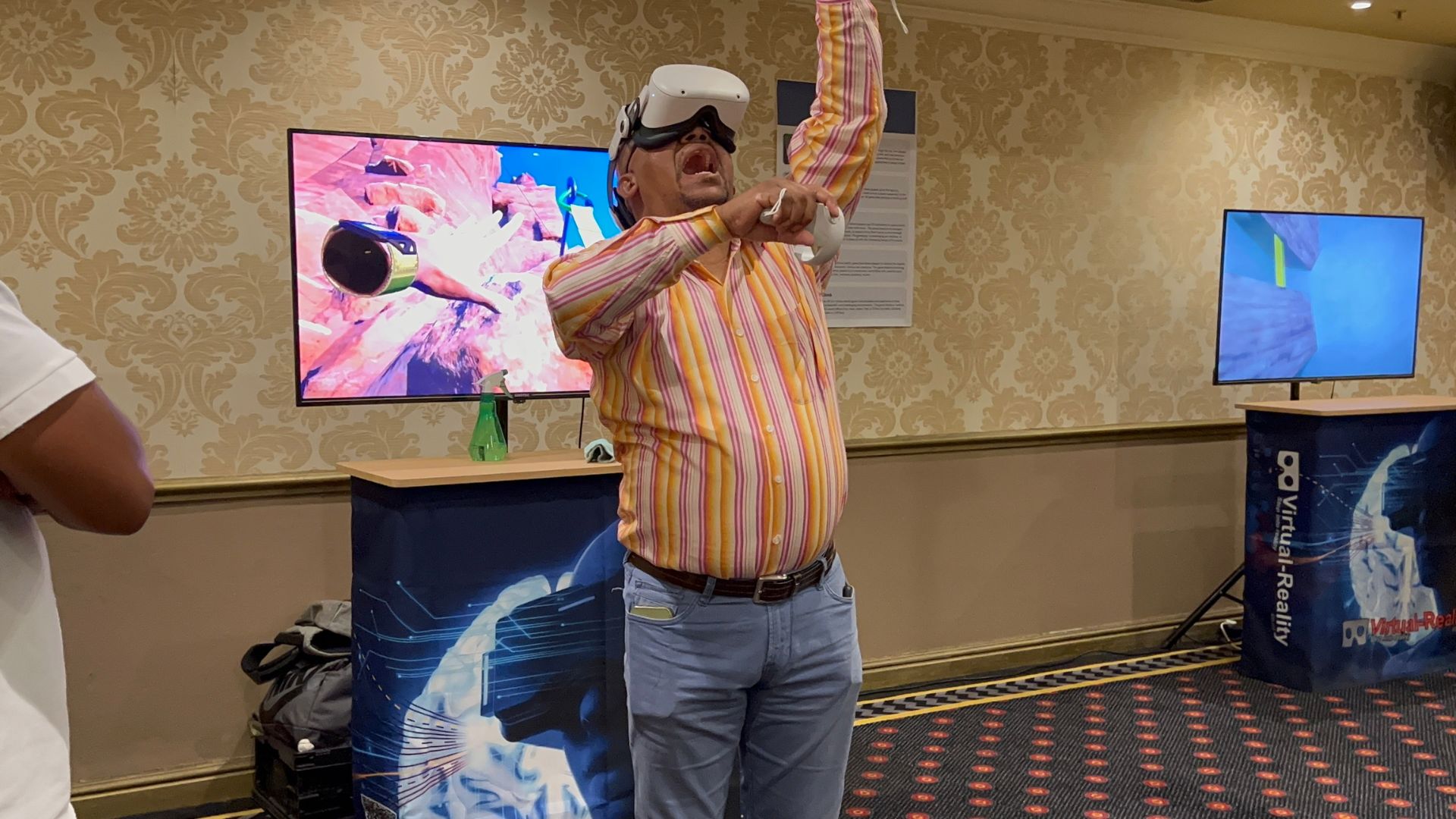
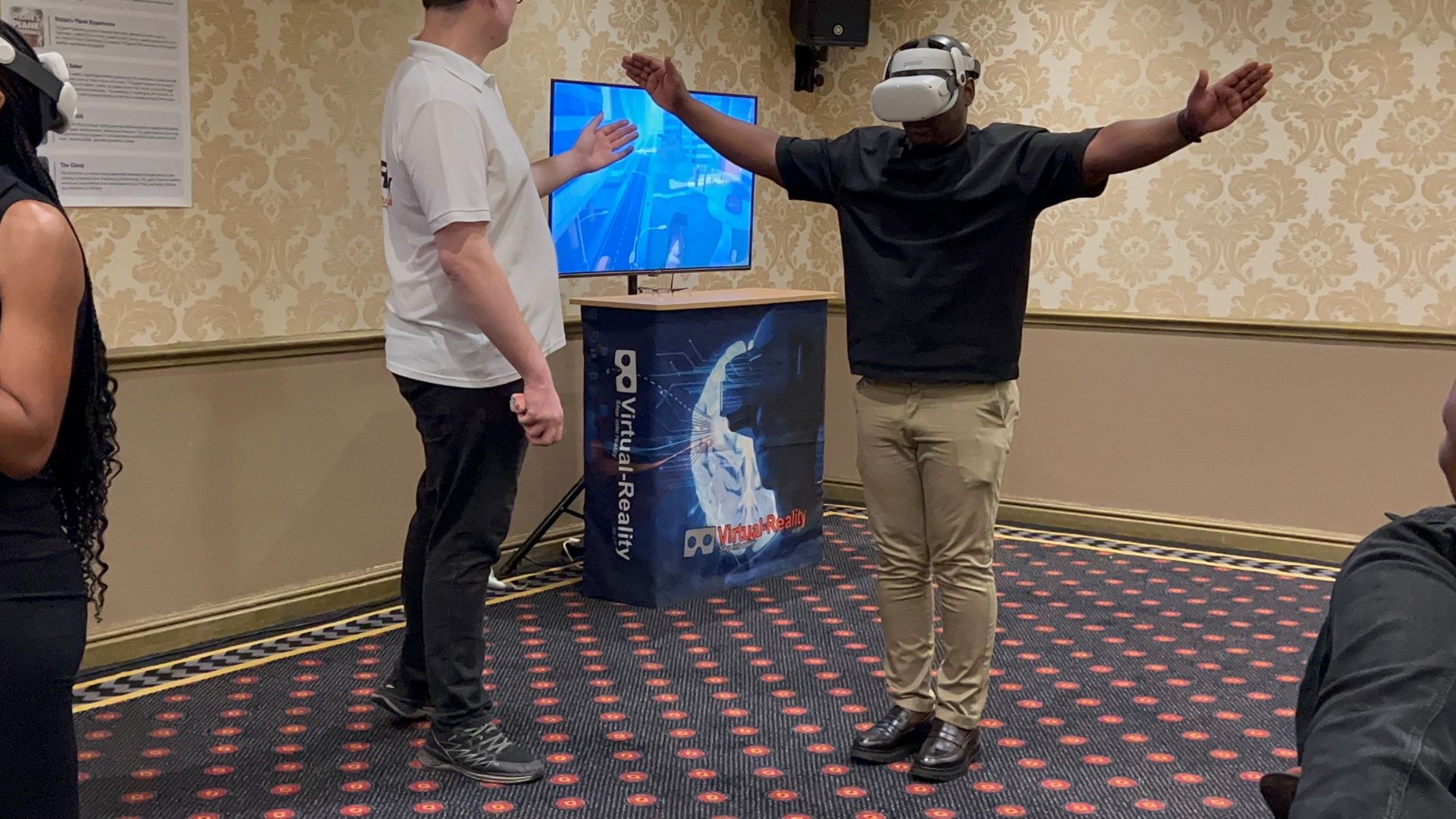
On November 6th, Emperors Palace transformed into a hub of innovation by hosting an event that pushed the boundaries of Virtual Reality (VR) and live entertainment. This pioneering event showcased the immense possibilities of VR, utilizing two Quest 2 headsets to plunge participants into extraordinary virtual realms. The action extended beyond the headset users, as their experiences were streamed live on large screens, enabling the entire audience to engage with every exhilarating moment. This fusion of personal immersion and collective viewing crafted a vibrant environment filled with suspense, exhilaration, and limitless enjoyment, creating a memorable adventure for all attendees.
Orchestrating Technology: Seamless Integration of Quest 2 and Live Streaming
Selecting Optimal Equipment: The Superiority of Quest 2
Choosing the appropriate hardware is essential for delivering an exceptional VR experience. The Quest 2 headsets, celebrated for their adaptability and robust performance, were the ideal choice for this event. Their wireless design granted participants the freedom to move effortlessly, enhancing their immersion in the virtual space. Additionally, the Quest 2's superior optics and high-definition displays ensured that every element of the virtual environment was depicted with remarkable precision, making the digital landscapes not just visible but truly tangible.
Beyond individual performance, the Quest 2's ability to integrate with live streaming platforms was crucial. This feature allowed event organizers to broadcast participants' VR experiences instantaneously, effectively connecting the virtual adventures with the physical audience. This seamless integration facilitated a unified narrative where the journeys of each participant became a shared story, blending technology with interactive storytelling to elevate the overall experience.
Real-Time Streaming: Engaging the Audience with Live VR Action
Streaming VR content live presents unique technical challenges but also opens up significant opportunities for audience engagement. To accomplish this, high-definition cameras were meticulously placed to capture the movements and reactions of VR participants. These live feeds were then displayed on large screens throughout Emperors Palace, enabling attendees to observe the virtual adventures as they happened. This arrangement not only democratized the VR experience but also amplified the excitement, as the audience could react in real-time alongside the players.
The live broadcast created a bridge between participants and spectators, fostering a communal sense of involvement and excitement. By viewing the VR action on the big screen, those not wearing headsets could still be part of the adventure, discussing strategies, anticipating developments, and celebrating successes together. This dual engagement approach ensured that the event was more than just a technological showcase; it was a collective celebration of innovation and shared human experiences.
Interactive Engagement: Enhancing Audience Participation in Real-Time
A key highlight of the event was the ability for the live audience to interact with the VR experiences as they unfolded. This was achieved through features like live polling on in-game decisions, audience shout-outs to participants, and synchronized challenges that engaged both players and spectators simultaneously. These interactive elements transformed passive observation into active involvement, ensuring that every attendee felt personally connected to the unfolding virtual story.
The engagement was further enriched by integrating social media and live polling, allowing the audience to influence the direction of the VR experiences actively. For example, spectators could vote on which path a participant should take or determine the challenges they would face next. This interactive dynamic not only deepened the sense of immersion but also strengthened the bond between players and the audience, making the event a truly communal exploration of virtual innovation.
Designing Immersive Worlds: Creating Engaging Virtual Environments
Mastering Virtual Environment Design
Developing an engaging virtual environment is comparable to crafting a compelling narrative. It requires detailed attention, creative design, and an understanding of what makes an experience truly immersive. The virtual settings showcased at Emperors Palace were meticulously crafted to transport participants into diverse realities, featuring elaborate landscapes, dynamic weather patterns, and interactive elements that responded to the players' actions.
The design approach focused on creating visually stunning and functionally engaging spaces. From expansive fantasy worlds to sleek futuristic cities, each virtual environment offered unique challenges and opportunities for exploration. The use of vibrant colors, realistic textures, and ambient soundscapes enhanced the sensory experience, making the virtual settings not just visible but truly immersive. This meticulous design ensured that participants could fully immerse themselves in the digital worlds, experiencing a sense of presence that transcended the physical boundaries of the event venue.
Interactive Storytelling: Shaping the Virtual Narrative
Interactivity is the core of VR, turning passive viewers into active participants. The virtual narratives at the event were designed to be dynamic and responsive, allowing participants to shape the story through their actions. Whether it involved solving intricate puzzles, engaging in combat, or discovering hidden pathways, every decision made by the player had a direct impact on the narrative's progression. This level of interactivity ensured that each experience was unique, fostering a sense of agency and personal investment in the virtual journey.
Furthermore, the inclusion of branching storylines and multiple quest options added depth and replayability to the VR experiences. Participants could choose their own paths, encounter distinct challenges, and uncover secrets tailored to their preferences and playstyles. This flexible storytelling approach not only enhanced the immersion but also encouraged participants to explore and experiment within the virtual worlds, making each adventure a distinct and memorable experience.
Utilizing Metaphors and Analogies in Virtual Design
Effective virtual design often employs metaphors and analogies to convey complex ideas and create relatable experiences. For example, one of the virtual environments was inspired by the intricate ecosystems of a rainforest, featuring towering trees, flowing waterfalls, and diverse wildlife to create a vibrant, living world. This metaphor provided a familiar framework for participants while allowing the exploration of ecological themes and environmental storytelling.
Another virtual setting used the metaphor of a maze-like cityscape to represent the complexities of urban life. Narrow alleyways, towering skyscrapers, and hidden corridors mirrored the challenges and opportunities of navigating a bustling metropolis. These metaphors served as narrative devices, enriching the virtual experience by embedding deeper meanings and themes within the gameplay. By leveraging such analogies, the virtual worlds became more than just digital spaces; they reflected real-world concepts and human experiences, adding layers of depth to the participants' adventures.
The Human Aspect: Participant Experiences and Responses
Balancing Thrill and Fear in Virtual Adventures
Immersive VR experiences often evoke a wide range of emotions, from excitement to fear. Participants at the Emperors Palace event navigated this emotional spectrum as they ventured into the virtual worlds. The VR environments were intentionally designed to include moments of suspense and high-intensity action to elicit strong emotional responses. Whether escaping a collapsing building, confronting virtual foes, or solving critical puzzles, the experiences were crafted to challenge participants both mentally and emotionally.
Achieving the right balance between fear and excitement is crucial to maintaining engagement without overwhelming participants. By carefully modulating the intensity of challenges and pacing of events, the VR experiences sustained a state of heightened engagement that kept participants thoroughly captivated. This emotional journey not only made the experiences more memorable but also deepened participants' connection to the virtual narratives, enhancing the overall sense of adventure and achievement.
Fostering Teamwork Through Shared Virtual Challenges
While VR can offer deeply personal experiences, events like the one at Emperors Palace highlight the power of shared challenges in fostering teamwork among participants. Navigating complex virtual environments often requires collaboration, communication, and mutual support, cultivating a sense of unity and collective accomplishment. Participants found themselves working together to overcome obstacles, strategize their next moves, and celebrate their successes, forming bonds that extended beyond the virtual realm.
The live broadcast component of the event further strengthened this sense of community. Spectators could observe the collaborative efforts of the participants, cheering them on and sharing in their triumphs and setbacks. This collective engagement turned the event into a shared adventure, where both players and audience members were invested in each other's journeys. The shared experience of tackling and overcoming virtual challenges underscored the human element of the event, making it not just a display of technology, but a celebration of human connection and collaboration.
Personal Growth Through Virtual Exploration
Immersive VR experiences have the potential to drive personal growth, offering participants new perspectives and insights. The virtual adventures at Emperors Palace provided a safe environment for individuals to explore different aspects of their personalities, test their limits, and embrace their creativity. Whether it was overcoming fears, enhancing problem-solving skills, or indulging in fantastical escapades, participants left the experience with a heightened sense of self-awareness and accomplishment.
Moreover, the reflective nature of VR encourages introspection and personal development. As participants navigate the virtual worlds, they often encounter scenarios that mirror real-life challenges, prompting them to think critically and adapt their strategies. This interplay between virtual and real-world experiences fosters a deeper understanding of oneself and one's capabilities, making the VR event not just a fleeting thrill, but a catalyst for ongoing personal growth.
The Wider Impact: VR's Future in Entertainment and Beyond
Transforming the Entertainment Industry
The success of the Emperors Palace event highlights the transformative potential of VR in the entertainment sector. By combining immersive gameplay with live broadcasting, the event demonstrated how VR can revolutionize traditional entertainment formats, offering new avenues for engagement and interaction. This hybrid model paves the way for future events that blend virtual and physical experiences, creating dynamic and multifaceted entertainment landscapes that appeal to a wide range of audiences.
Integrating VR with live elements also opens up new possibilities for interactive storytelling, where narratives are not limited to passive observation but are shaped by participant actions and audience interactions. This shift from linear storytelling to interactive experiences represents a significant evolution in how stories are told and experienced, providing a more engaging and personalized form of entertainment that resonates deeply with audiences.
Expanding VR Applications Beyond Entertainment
While entertainment was a primary focus of the Emperors Palace event, the applications of VR extend far beyond recreational use. VR technology is increasingly being utilized in fields such as education, healthcare, training, and social interaction, offering innovative solutions and enhancing traditional practices. For example, in education, VR can create immersive learning environments that make complex subjects more accessible and engaging. In healthcare, VR is used for therapeutic purposes, such as pain management and mental health treatment, providing patients with new avenues for healing and well-being.
The Emperors Palace event serves as a testament to the versatility and potential of VR technology. By showcasing its capabilities in a dynamic and engaging setting, the event highlighted how VR can bridge gaps, foster connections, and unlock new possibilities across various domains. As VR continues to advance, its applications are likely to expand, driving innovation and transforming how we interact with the world around us.
The Evolution of Immersive Technologies
Looking forward, the future of immersive technologies like VR promises even greater advancements and integrations. Emerging trends such as augmented reality (AR), mixed reality (MR), and haptic feedback are set to enhance the immersive experience, making virtual interactions more realistic and engaging. These technologies are expected to converge, creating seamless and intuitive interfaces that blur the lines between the virtual and physical worlds.
Additionally, the development of more affordable and accessible VR hardware will democratize access to immersive experiences, enabling a broader audience to participate and benefit from VR's potential. This increased accessibility will drive further innovation, as diverse perspectives and creative ideas contribute to the evolution of immersive technologies. The event at Emperors Palace was a preview of this promising future, showcasing the transformative power of VR and inspiring continued exploration and development in the realm of immersive experiences.
Frequently Asked Questions
What distinguished the Emperors Palace VR event as a pioneering experience?
The Emperors Palace VR event was distinguished by its flawless integration of Virtual Reality with live broadcasting, enabling both participants and spectators to engage simultaneously. Utilizing two Quest 2 headsets, the event provided an immersive experience for players while streaming their actions in real-time on large screens, fostering a dynamic and interactive environment.
In what ways did the Quest 2 headsets elevate the VR experience?
The Quest 2 headsets offered wireless mobility, high-resolution displays, and advanced optics, ensuring a smooth and immersive experience for participants. Their compatibility with live streaming platforms enabled real-time broadcasting, effectively connecting the virtual and physical worlds and enhancing audience engagement.
What variety of virtual environments were showcased during the event?
The event featured a diverse array of meticulously crafted virtual environments, including expansive fantasy realms, sleek futuristic cities, and intricate ecosystems inspired by nature. Each setting was designed to present unique challenges and immersive storytelling elements, allowing participants to explore a wide range of engaging virtual worlds.
How did live broadcasting influence the overall event experience?
Live broadcasting enabled spectators to witness the VR action in real-time, fostering a sense of community and shared excitement. This dual engagement of players and audience members transformed the event into a collective adventure, enhancing the immersive experience and making the technology accessible to a broader audience.
What are the long-term implications of VR events like the one at Emperors Palace?
VR events like the one at Emperors Palace highlight the transformative potential of immersive technologies in entertainment and beyond. They pave the way for future innovations in interactive storytelling, education, healthcare, and social interaction, demonstrating how VR can bridge gaps, foster connections, and unlock new possibilities across various fields.
Author: Gerald Ferreira
Virtual Reality Events is South Africa's leading immersive event provider, bringing interactive virtual reality experiences, high-end hardware rentals, and custom software builds to corporate activations nationwide. Learn more at virtualrealityevents.co.za.